
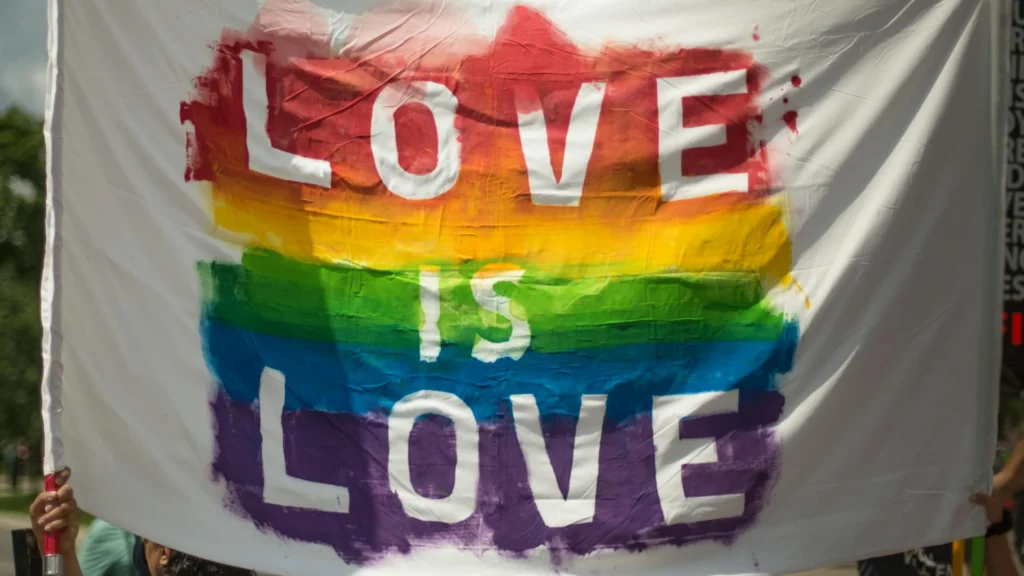
The LGBTQIA+ community includes people with diverse sexual orientations and gender identities. The acronym stands for Lesbian, Gay, Bisexual, Transgender, Queer/Questioning, Intersex, and Asexual/Agender, representing a broad range of experiences. Knowing the right terms and using inclusive language can help create a more accepting society and support individuals in feeling recognized and respected.
Key Identities in LGBTQIA+
1. Lesbian
A lesbian is a woman who is attracted to other women. This identity is often misunderstood, but it simply refers to same-sex attraction among women.
2. Gay
Gay typically refers to men who are attracted to other men, though it can also be used as a general term for same-sex attraction.
3. Bisexual
A bisexual person is attracted to more than one gender, which often leads to misconceptions that bisexuality is temporary or less valid.
4. Transgender
Transgender people are those whose gender identity does not match the sex they were assigned at birth. This is different from sexual orientation, as transgender people can be straight, gay, bisexual, or any other orientation.
5. Queer
Queer is an umbrella term that includes many different sexual and gender identities. Though once used as a slur, it has been reclaimed by many as a positive term. Some people, however, still prefer not to use it.
6. Intersex
Intersex individuals are born with physical traits that do not fit typical definitions of male or female. They often face medical and social challenges due to their bodies not conforming to societal norms.
7. Asexual & Agender
Asexual people experience little to no sexual attraction, while agender people do not identify with any gender.
8. Questioning
Questioning refers to people who are still exploring their sexual or gender identity.
Gender Identity, Expression, and Sexual Orientation
There are key differences between gender identity, gender expression, and sexual orientation. Gender identity is how a person understands their own gender, whether they identify as male, female, both, neither, or something else. Gender expression is how someone presents their gender through clothing, behavior, or appearance. This may not always align with their identity. Sexual orientation refers to who a person is attracted to romantically or sexually, such as being heterosexual, gay, or bisexual.
The Power of Inclusive Language
Using the right terms and respecting people’s chosen names and pronouns is crucial. It helps affirm their identity and avoid causing harm. For example, addressing someone with the wrong pronoun or using their previous name (a practice called deadnaming) can hurt them deeply. Pronouns like they/them or ze/zir are used by people who do not identify strictly as male or female.
Language is always changing, and as we learn more about the diversity of human identity, new terms emerge. Being open to learning these terms is an important way to show respect.
Cultural and Historical Context
Different cultures have long had their own understandings of gender and sexuality. For example, the Hijra community in South Asia and Two-Spirit people in Indigenous cultures show that non-binary identities have existed for centuries. Unfortunately, colonization often erased or suppressed these identities, leading to a narrow view of gender and sexuality in many societies.
Throughout history, LGBTQIA+ identities have also been overlooked or ignored. This has contributed to the marginalization of these communities, making it even more important to recognize and honor their experiences today.
Frequently Asked Questions (FAQs) about LGBTQIA+ Identity and Terminology
1. What does LGBTQIA+ stand for?
LGBTQIA+ stands for Lesbian, Gay, Bisexual, Transgender, Queer/Questioning, Intersex, and Asexual/Agender. The “+” includes other identities and sexual orientations that don’t fit into these categories, ensuring everyone is recognized.
2. What is the difference between gender identity and sexual orientation?
Gender identity is how a person experiences their own gender, such as identifying as male, female, non-binary, etc. Sexual orientation is about who a person is romantically or sexually attracted to, like being heterosexual, gay, or bisexual. Gender identity relates to who you are, while sexual orientation relates to who you are attracted to.
3. What does it mean to be transgender?
A transgender person has a gender identity that doesn’t match the sex they were assigned at birth. For example, someone assigned female at birth may identify as male or non-binary. Being transgender is about identity, not sexual orientation, so a transgender person can be straight, gay, bisexual, or another orientation.
4. Why is it important to use the correct pronouns?
Using the correct pronouns (like he/him, she/her, or they/them) shows respect for someone’s gender identity. Incorrect pronouns can make someone feel invalidated and disrespected. Asking for and using a person’s chosen pronouns helps create a more inclusive environment.
5. What does “queer” mean, and is it okay to use it?
Queer is an umbrella term that many people in the LGBTQIA+ community use to describe a variety of sexual and gender identities. It was once used as a slur but has been reclaimed by many. Some people proudly identify as queer, while others may not be comfortable with the term. It’s important to be sensitive to how individuals feel about it.
Conclusion
Understanding LGBTQIA+ identities and using inclusive language is essential for fostering acceptance and respect. By educating ourselves, respecting people’s pronouns and names, and being open to new terms, we can all contribute to a more inclusive society where everyone feels seen and valued.